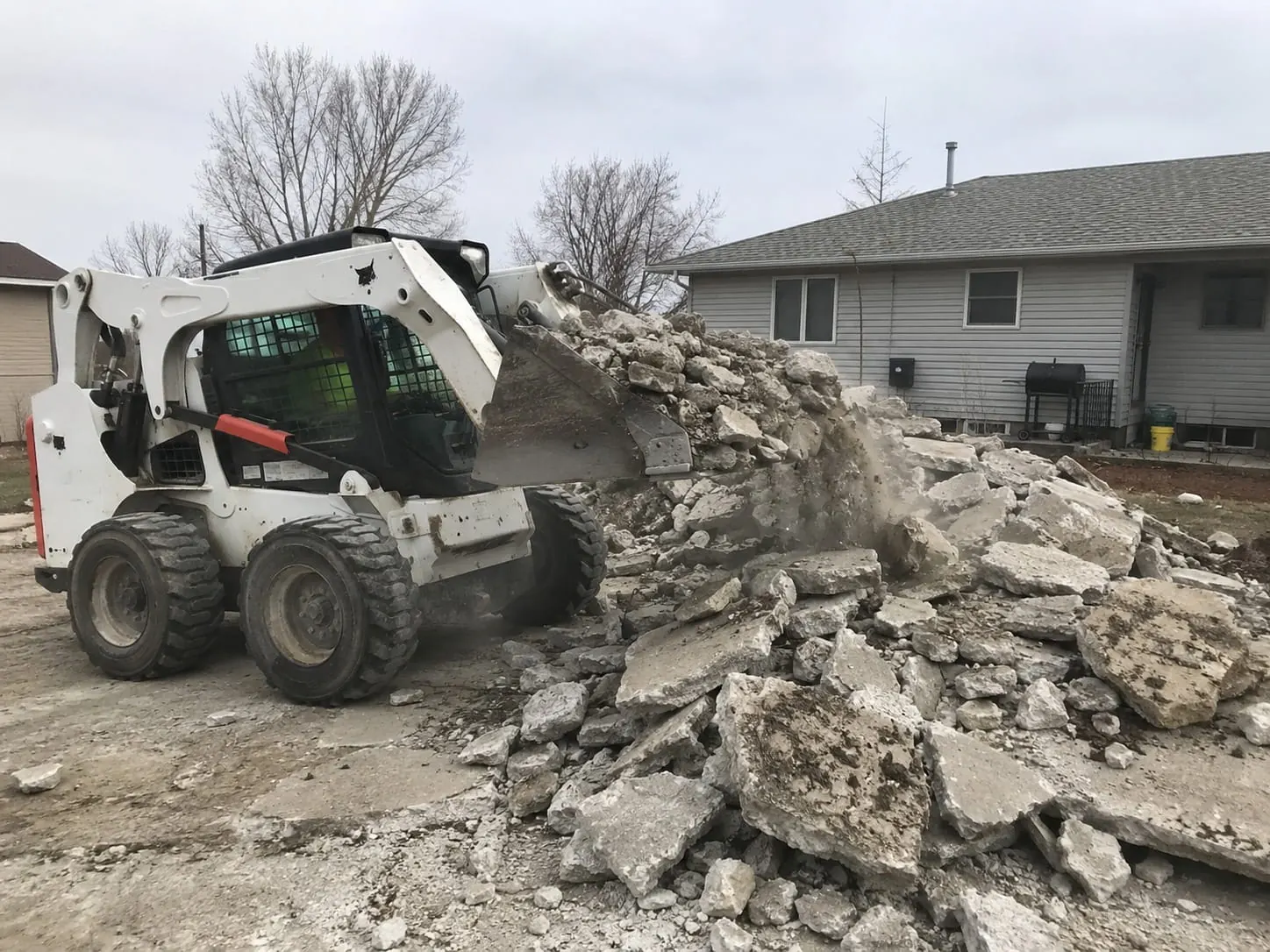
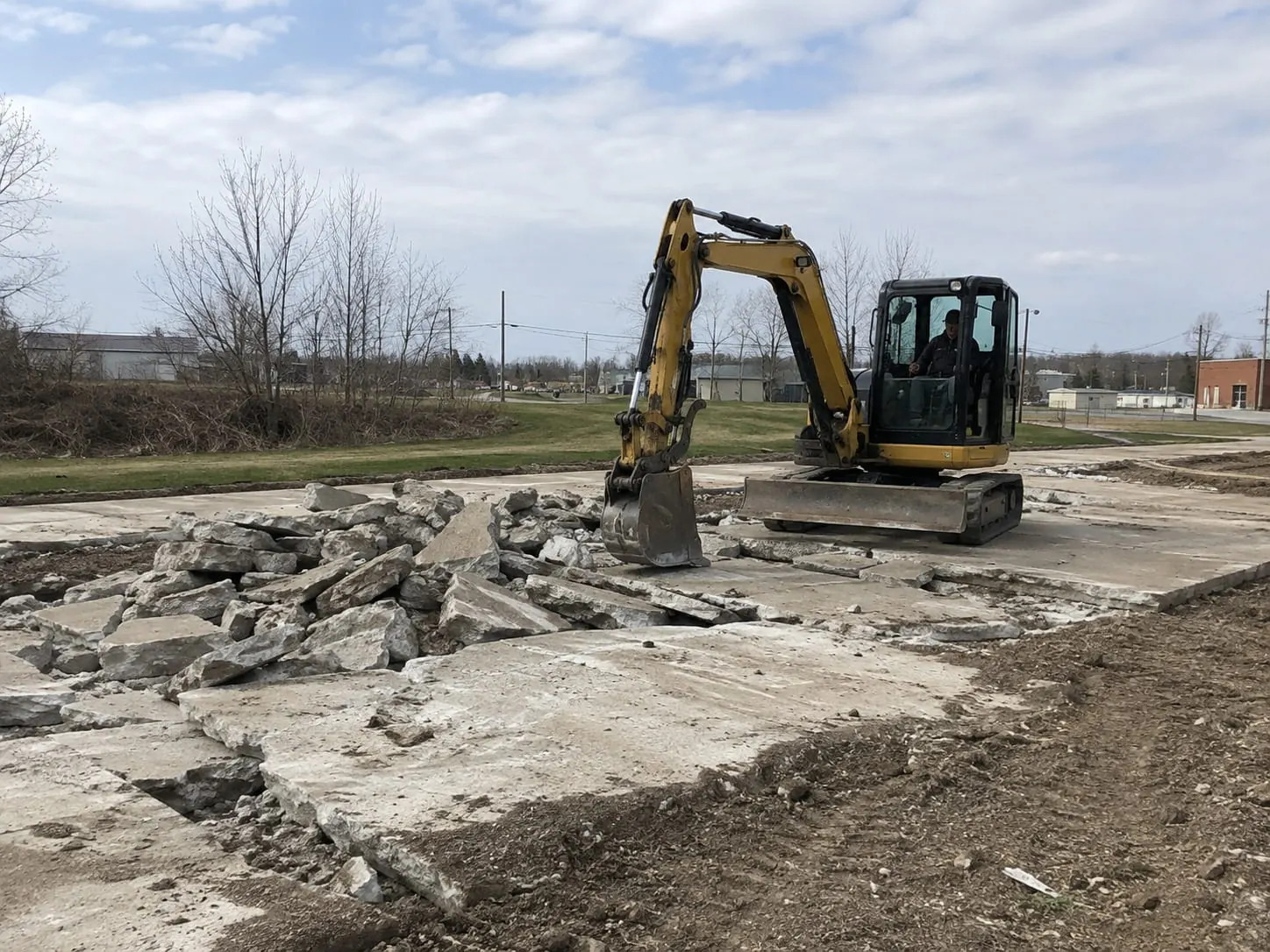
Auckland concrete demolition contractors bringing down a structure

Auckland Demolition

Concrete demolition for Auckland homes and commercial sites — from a cracked driveway through to a full structural teardown.

Concrete Demolition

Concrete demolition Auckland

Concrete demolition in Auckland requires careful planning around the region's mix of older properties, tight urban sections, and varying soil conditions across the city's volcanic and clay-based landscape. Whether you're removing a cracked driveway, an ageing patio, or a full structural slab, proper demolition involves more than breaking up concrete — it requires safe disposal, accurate assessment of reinforcement, and consideration of nearby structures, services, and drainage lines before work begins.

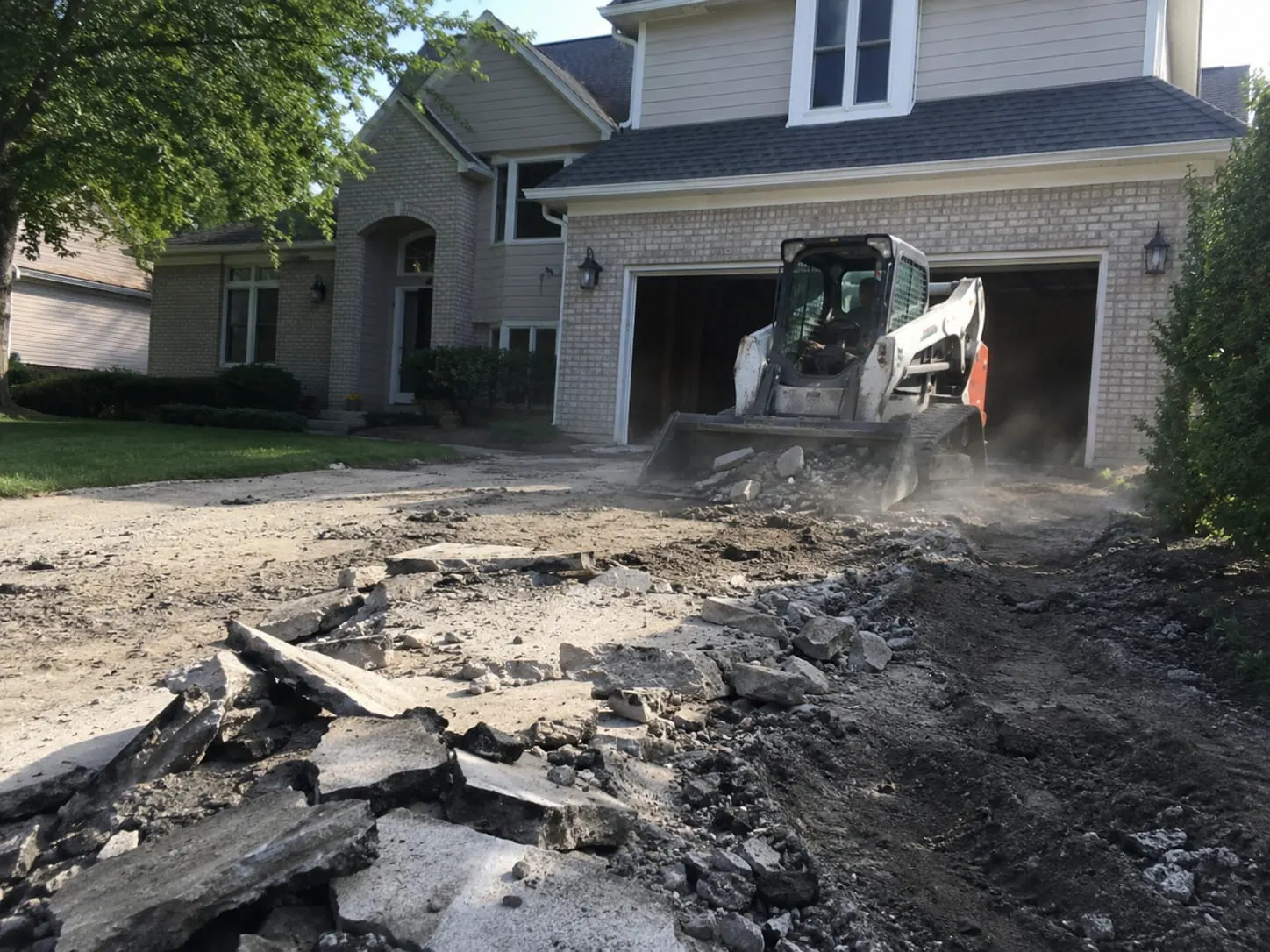
We provide concrete demolition services throughout Auckland for residential and commercial properties, handling everything from small driveway and path removals to larger structural demolition projects. Our team uses appropriate equipment for site access and property size, ensuring minimal disruption to surrounding areas while safely clearing the site for new construction. From consent-required jobs to straightforward removals, we manage Auckland concrete demolition projects efficiently and in full compliance with local requirements.

Free Consultation

Get a Free Estimate

Tell us about your project and we'll be in touch with a fixed price quote.

I consent to having this website store my submitted information so they can respond to my inquiry. Learn more in Our Privacy Policy.

What We Take On

Our Demolition Specialities in Auckland

Large concrete retaining wall being demolished on an Auckland site

Large Retaining Wall Demolition

Removing substantial retaining walls safely requires a clear understanding of the soil and structural loads they're holding back. We assess wall height, backfill pressure, and surrounding site conditions before demolition begins, using controlled methods to prevent unexpected slope failure or damage to neighbouring structures during the process.
Reinforced concrete house being demolished in Auckland

Concrete House Demolition

Full concrete house demolition is a significantly more involved process than timber-frame removal, requiring heavier equipment, careful sequencing, and proper handling of reinforced structural elements. We manage the entire process from consent coordination through to site clearance, ensuring reinforced concrete, foundations, and slabs are fully removed and the site is left ready for redevelopment.

Commercial structural demolition project in Auckland

Structural & Commercial Demolition

From large commercial buildings to multi-structure sites, we handle demolition projects that require detailed planning, staged removal, and coordination with engineers where structural assessment is required.

Partial demolition work on an Auckland residential property

General & Partial Demolition

Not every project requires a full teardown. We also handle partial demolition, structural alterations, and selective removal for renovation or redevelopment projects.

Step by Step

Our Demolition Process

  1. 01

    Site assessment and planning

    Evaluating structure type, size, and surrounding conditions.

  2. 02

    Consent and compliance coordination

    Managing council requirements for larger or structural demolition.

  3. 03

    Utility and service disconnection

    Ensuring power, water, and gas lines are safely managed before work begins.

  4. 04

    Controlled demolition

    Using appropriate machinery and methods based on structure size and site access.

  5. 05

    Material sorting and disposal

    Separating concrete, steel, and other materials for proper recycling or disposal.

  6. 06

    Site clearance and grading

    Leaving the site clean, level, and ready for the next phase of construction.

Risk Management

Why Large-Scale Demolition Requires Specialised Expertise

Demolishing a large retaining wall or a fully concrete-built house isn't comparable to standard residential demolition. These structures often involve significant reinforcement, structural interdependencies, and, in the case of retaining walls, active soil pressure that must be managed carefully to prevent slope collapse during removal. Getting this wrong doesn't just risk project delays — it can create serious safety hazards for crews and neighbouring properties. Our experience with large and structurally complex demolition projects means we plan for these risks before the first piece of equipment arrives on site.

Residential

Residential and Total Demolition

Full House Demolition

Complete removal of older weatherboard cottages, single-family homes, and garages to clear lots for new builds. Demolishing a detached building of up to three storeys is exempt from requiring a building consent under Schedule 1 of the Building Act, though this exemption doesn't apply to attached dwellings, partial demolitions, or heritage-listed properties, which still require consent. If your home sits within a Special Character Area under the Auckland Unitary Plan's overlay, total demolition or substantial demolition exceeding 30% of wall elevations and roof area is a restricted discretionary activity requiring resource consent. Homes built before 2000 should also budget for asbestos removal, which can range from a few hundred dollars to $15,000 or more depending on what's found.

Building Relocation / Removal

Lifting and transporting intact houses to new sites rather than destroying them — a popular alternative across Auckland that avoids full demolition costs and reduces construction waste, particularly for character homes worth preserving.

Interior

Interior and Selective Demolition

Soft Strip-Outs

Removing internal non-load-bearing walls, ceilings, fixtures, and flooring to prepare commercial or residential spaces for fit-outs. This work typically doesn't require the same consent process as structural demolition but still requires careful handling around services and any legacy hazardous materials.

Selective Demolition

Carefully cutting away specific sections or rooms of a structure while keeping adjacent living or working areas structurally sound — a technical process that requires engineering input to confirm load paths aren't compromised.

Specialised

Specialised and Site Demolition

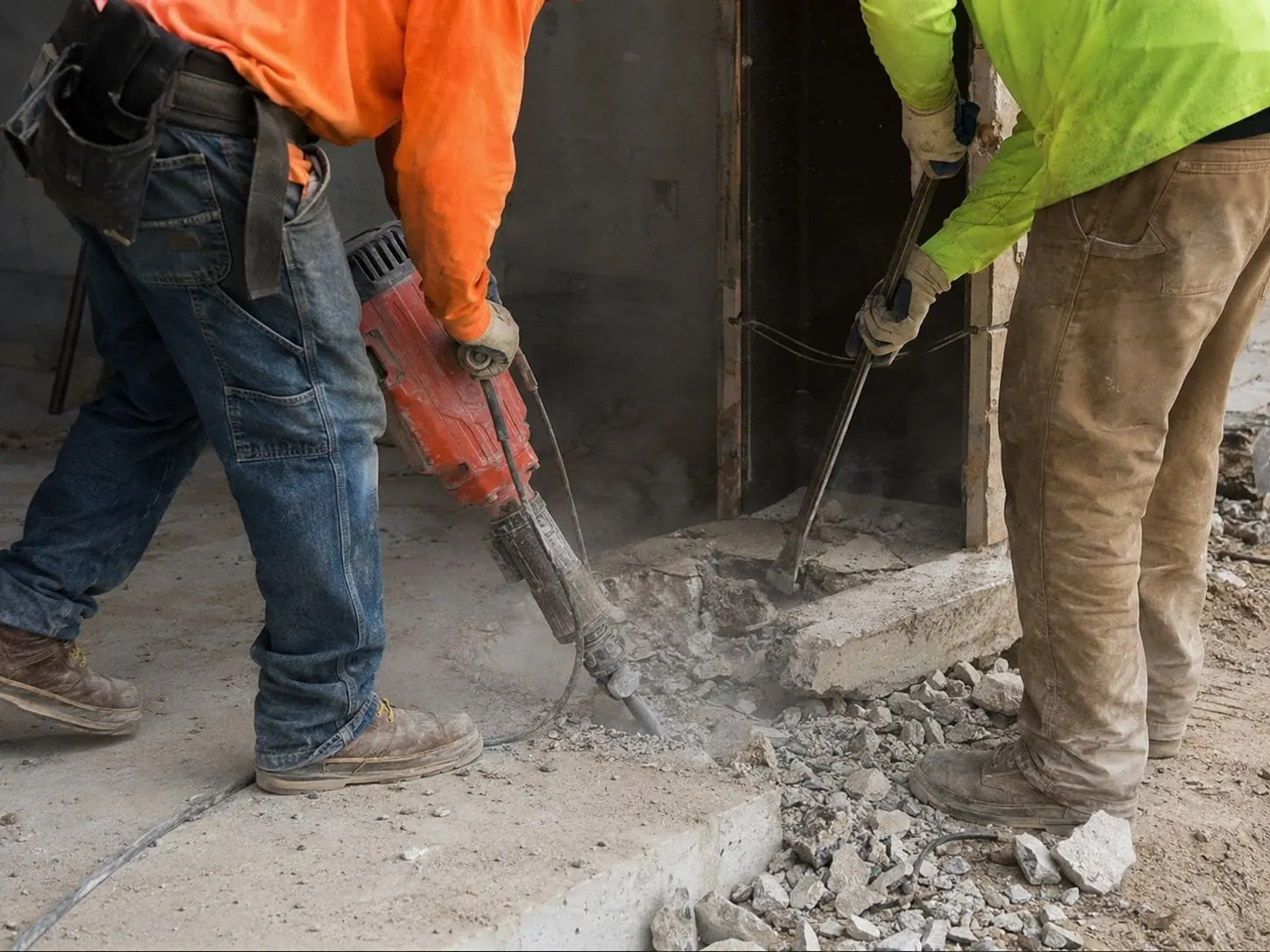
Concrete Breaking

Using heavy hydraulic attachments to break up old reinforced foundations, patios, and driveways, with material sorted on-site for recycling or disposal.

Asbestos-Associated Demolition

Safe identification and regulated removal of asbestos-containing materials found in legacy cladding and roofing before major demolition work proceeds, in line with WorkSafe NZ requirements.

Before Work Starts

Consent and Compliance Requirements

  • Building consent: Detached buildings up to three storeys are generally exempt, but attached dwellings, partial demolitions, and heritage buildings still require consent.
  • Resource consent: Required for total or substantial demolition (30%+ of walls and roof) on sites within Special Character Area overlays.
  • Utility disconnections: Power, gas, and water disconnections typically cost $1,000–$3,000 and must be completed by licensed tradespeople before demolition begins.
  • Council notification: Many councils ask to be notified before demolition starts, even where consent isn't required.
  • Asbestos assessment: Mandatory pre-demolition testing for pre-2000 structures under WorkSafe NZ guidelines.
Budgeting

What Drives Demolition Costs in Auckland

Cost Factor Typical Range
Standard residential demolition (per m²) $70–$150 per m²
Full residential demolition (average project) $10,000–$40,000+
Building / resource consent fees $500–$2,000+
Utility disconnection $1,000–$3,000
Asbestos removal (if present) A few hundred dollars up to $15,000+

Site access, structure size, reinforced concrete content, and how much material can be salvaged or recycled all influence where a project lands within these ranges. A clear, written quote following a site assessment is the only reliable way to know the actual cost for your property.

FAQ

Frequently Asked Questions

Do I need consent to demolish a house in Auckland?

Detached homes up to three storeys are generally exempt from building consent under the Building Act, but heritage overlays, attached dwellings, and partial demolitions usually require it.

How much does it cost to demolish a house in Auckland?

Most residential demolitions cost between $10,000 and $40,000 or more, depending on size, access, and whether asbestos removal is required.

What happens if my house has asbestos?

Asbestos must be identified and safely removed by licensed professionals before demolition proceeds, in line with WorkSafe NZ requirements — this is a legal obligation, not optional.

Can my house be relocated instead of demolished?

In many cases, yes. Structurally sound homes can be lifted and transported to a new site, which is often more cost-effective than a full rebuild and reduces construction waste.

How long does demolishing a large retaining wall take?

Timelines depend on wall height, length, and site access, but most large retaining wall removals take anywhere from a few days to a couple of weeks.

Is concrete house demolition more expensive than timber-frame demolition?

Generally yes, due to the heavier equipment, longer timelines, and additional material handling required to remove reinforced concrete structures safely.

What happens to the concrete and materials after demolition?

Most concrete and steel materials are sorted and sent for recycling where possible, reducing landfill waste and, in many cases, lowering overall disposal costs.

Free Consultation

Planning a Demolition Project in Auckland?

Tell us what needs to come down and we'll assess the site, the consent path, and the cost.